School Plan

To increase student engagement in learning at Parkland through intentional and inclusive practices.
Inquiry Questions:
A. How can we build strong connections between students, their learning, and our school to support their success?
B. How can we effectively identify and support students who are becoming disengaged from their learning?
In the context of our two inquiry questions, we have gathered several insights about our students at Parkland:
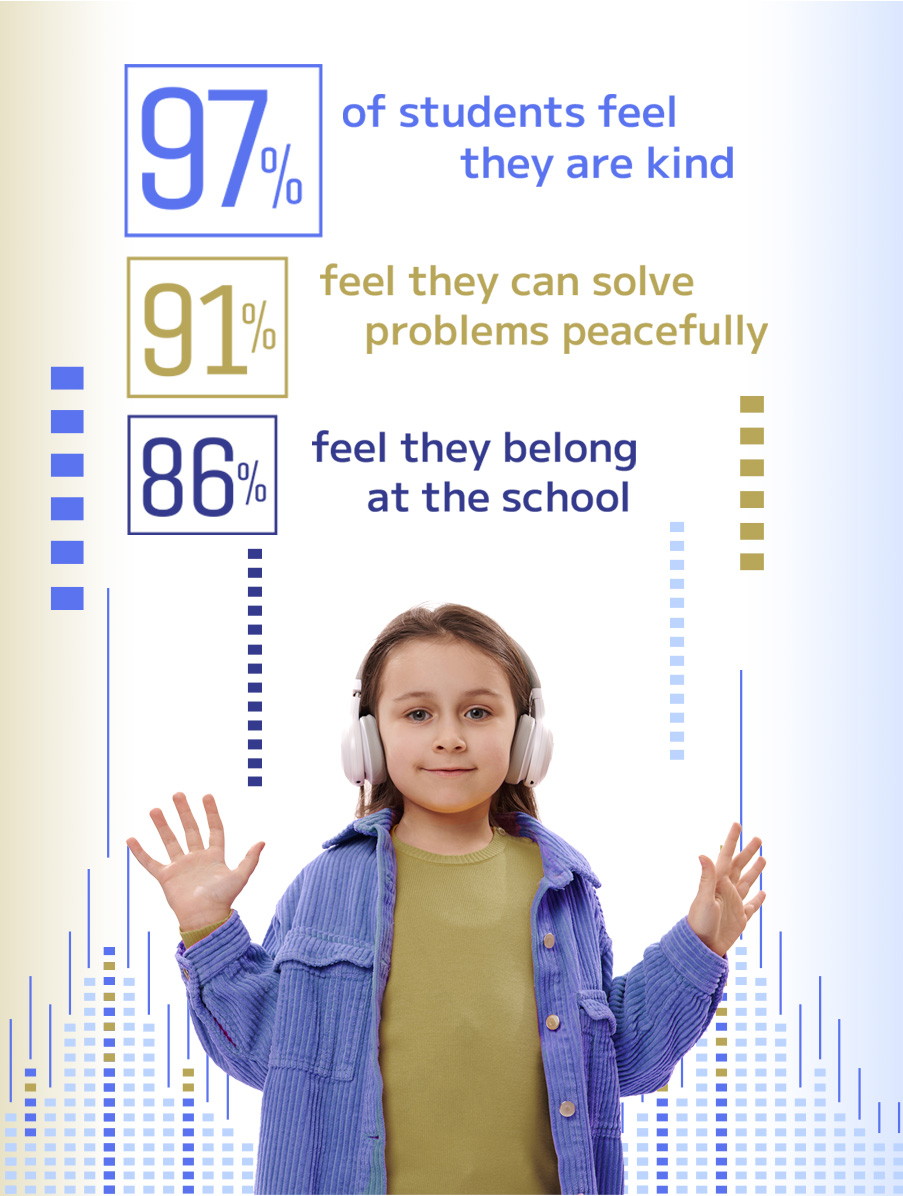
- Sense of Belonging: In 2022/23, 65% of Parkland students report a positive sense of belonging within the school community
- Support Systems: We know that some students face mental health challenges, particularly anxiety which leads to challenges maintaining engagement in their learning. These learners require additional support to feel safe, understood, and connected in the classroom community.
- Motivation and Engagement: We know that students thrive when learning feels meaningful and connected to their interests. Many learners benefit from opportunities that foster intrinsic motivation and provide clear pathways to persevere and participate actively in their education.
- Mental Health: Over the past three years, results from the Student Learning Survey indicate that of the Parkland students who completed the survey:
- Just over half describe their mental health as excellent or very good (56% in 2024/25; 53% in 2023/24; and 53% in 2022/23)
- 66% (2024/25) report that either “most of the time” or “all of the time” they have a positive sense of belonging at Parkland (up from 55% in 2023/24 and 60% in 2022/23)
- 84% (2024/25) feel safe at Parkland (up from 79% in 2023/24 and 80% in 2022/23) In terms of supporting evidence.
- Academic Performance: Report card data reveals that some students are facing difficulties in achieving academic success.
- Attendance Trends: There is a clear correlation between student attendance and academic performance, highlighting the importance of consistent school participation.
- Staff Observations: Conversations and anecdotal feedback from staff consistently point to concerns about student engagement. These concerns include issues such as poor attendance, reluctance to begin or complete tasks, apathy, increased phone use, and heightened anxiety. All of which suggests that a growing number of students are not engaging in their learning to their full potential.
This goal, and focused inquiry questions, align directly to our strategic priorities in Mental Health and Wellness, Literacy and Indigenous Learner Success. Additionally, our intended approaches are deeply connected to the First Peoples Principles of Learning.

First Peoples Principles of Learning

The Engagement Goal needs to ensure that:
- Learning is holistic, reflexive, reflective, experiential, and relational (focused on connectedness, on reciprocal relationships, and a sense of place).
- Learning involves patience and time.
- Learning requires exploration of one‘s identity.
What Are We Doing to Build Strong Connections (Inquiry Question A)?
- Select strategies that fosters, encourages and supports engagement;
- Offering Social and Emotional Learning and Support at each grade level:
- Grade 8 Transition
- Grade 9 and 10 Panther Talks (Presentations from internal and external speakers)
- Grade 10 – Panther Talks and CLE 10
- Grade 11 - CLCa - Assemblies
- CLC – Moved into the timetable through Grade Assemblies.
- Strengthening connections with our Indigenous communities:
- Participation in Elders lunches in community.
- Partnership with Tseycum Marine Stewardship Program.
- Elder in Residence Program.
- Indigenous Life Skills Program: 6 week program at Parkland for all Indigenous students
- Welcome dinner at Parkland for families of Indigenous students from Parkland and NSMS
- Staff (Principal, Ind. Support teacher and Indigenous students) to hand deliver invitations in community
- Strengthening our partnership and connection with NSMS. Additional activities throughout the year such as:
- Red Dress Walk (both schools walked together);
- Beginning of the year welcome dinner at Parkland for families of Indigenous students from Parkland and NSMS
What Are We Doing to Identify and Support Disengaged Learners (Inquiry Question B)?
- We can identify students who are experiencing challenges, particularly those struggling with anxiety and engagement, through systems such as:
- Inclusive Ed referrals completed by staff
- Weekly Counsellor/Admin meetings
- ERASE tool
- Add a Learning Strategies course in our support block to help students develop skills and earn credit.
- Attendance playbook for staff: A guide for staff on roles and responsibilities and levels of intervention.
- Increase in interventions from counsellors/admin regarding attendance.
- Communication with parents as early as possible.
- Skill Building Series for grades 9/10 in the month of October; and
- School-based team meetings that include parents, admin, teachers, and members of the Inclusive Support Team, Indigenous Education team, and the student advocate.


To guide our decisions and directions we will be:
- Reviewing data on engagement and belonging from Learning Surveys.
- Reviewing report card data.
- Interviewing students experiencing challenges.
- Focus on strategies and interventions to promote student engagement at staff meetings and subjectchair meetings; and
- Consulting and collecting input from our School Improvement Group, students, PAC, subject chairs and staff.
How Are We Doing in Building Connections (Inquiry Question A)?
- Sense of Belonging: Over the past three years, results from the Student Learning Survey indicate an increasing majority of Parkland students have a positive sense of belonging within the school community (73% in 2024/25 which is an increase of 8% since 2022/23). It is noted that Grade 12 student responses reveal a more positive trend in belonging as compared to the grade 10 cohort. One possible explanation for this trend is that Grade 12 students have had the most time to build meaningful relationships with staff, peers, and the broader Parkland community. Their extended time at the school may contribute to a deeper sense of connection and comfort within the school environment.
- Feeling Welcomed: In 2024/25, 79% of Parkland students report to feel welcomed at school and most express a desire to remain at the school rather than seek alternative education settings. This trend is in line with the previous two years.
- Enjoyment of School: responses to the question “Do you like school?” consistently show a lower trend across the student cohort. This suggests an area for growth and highlights an opportunity for future planning to explore and implement strategies that enhance overall student enjoyment and engagement with school.
- Attendance: Attendance data shows a concerning trend for Parkland and should be an area of focus in future iterations of our school plan. In an internal attendance analysis, nine of our top ten students with the highest rates of absenteeism identify as Indigenous. This underscores the ongoing need for focused efforts to address barriers to attendance and engagement, a key focus of our second inquiry question.
How Are We Doing in Identifying and Supporting Disengaged Learners (Inquiry Question B)?
Parkland Secondary offers a wide range of specialty programs designed to engage diverse student interests. From 2022 to 2026 (Table 1), enrolment in these programs, including IB, Marine Science, Yoga, and Judo has steadily increased, with IB enrollment alone growing by over 70%, highlighting strong student demand for enriched learning opportunities.
Table 1: Enrolment Requests in Specialty Programs at Parkland Secondary
| Year | IB Enrollment | Sailing | Judo | Hockey | Yoga Requests | Marine Science/Marine PHE |
| 2022/2023 | 142 | 39 | 23 | 15 | 59 | 116 |
| 2023/2024 | 195 | 31 | 29 | 26 | 49 | 136 |
| 2024/2025 | 193 | 39 | 32 | 29 | 66 | 158 |
| 2025/2026 | 246 | 41 | 34 | 46 | 64 | 171 |
Table 2: Parkland Enrolment in District Career Programs
| Year | Task | STAC | TEX | Hair |
| 2022/2023 | 5 | 1 | 2 | 3 |
| 2023/2024* | 9 | 1 | 2 | 2 |
| 2024/2025 | 9 | 3 | 1 | 2 |
| 2025/2026 | 7 | 1 | 4 | 2 |
*Starting in 2023/2024 the CLC delivery model was shifted to in person delivery during the academic timetable.
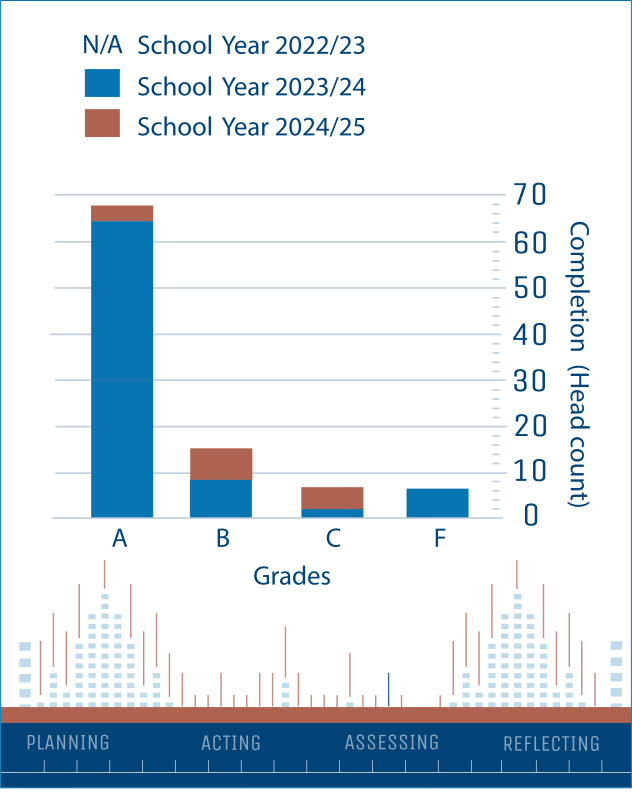
In 2023 a shift was made in the delivery model of CLC 12A which saw the course moved into a more consistent approach during the scheduled timetable. Prior to this the course was run after school and attendance was not easy to track. The shift has allowed consistent tracking and delivery and has made course completion more attainable for all students (see Figure 1). As a grad requirement course this was actively acting as a barrier when students were not finding success.
Figure 1 Course completion rates for CLC 12A over the years of 2022, 2023 and 2024
To continue to build strong connections (inquiry question A), we will:
- Evaluate the impact of our Pathways promotion at Parkland, including the International Baccalaureate (IB) program, the combined IB/BC curriculum for post-secondary preparation, Trades exploration opportunities, specialty programs and academies, and the Parkland Alternative Learning Support (PALS) program. This evaluation will help us understand how effectively these pathways are meeting the diverse needs and aspirations of our students.
- Strengthen relationships with local Indigenous communities by expanding opportunities for cultural engagement both within the school and in the broader community. This includes hosting culturally relevant events, inviting community members into the school, and creating spaces where Indigenous students and families feel seen, heard, and valued in order to foster connection, belonging and cultural celebrations.
- Deepen collaboration with North Zone schools—including North Saanich Middle School, Sidney Elementary, Deep Cove Elementary, and the Individual Learning Centre (ILC) to ensure smoother transitions, shared learning opportunities, and a more cohesive educational experience for students across the zone.
In order to continue to identify and support disengaged learners (inquiry question B), we will:
- Identify and support students experiencing challenges with engagement by working collaboratively with families, support staff, and community partners to develop personalized support plans and learning pathways tailored to individual needs.
- Monitor and evaluate the effectiveness of these interventions through ongoing data collection and reflection, ensuring that strategies are responsive and adaptive to student progress.
- Continue our collaboration with the North Zone advocate and the Individual Learning Centre (ILC) to ensure students requiring alternative or flexible educational pathways are supported in accessing appropriate programming and resources.
- Explore proactive strategies to re-engage students who are at risk of disengagement, culturally responsive practices, and increased student voice in planning their learning journey.